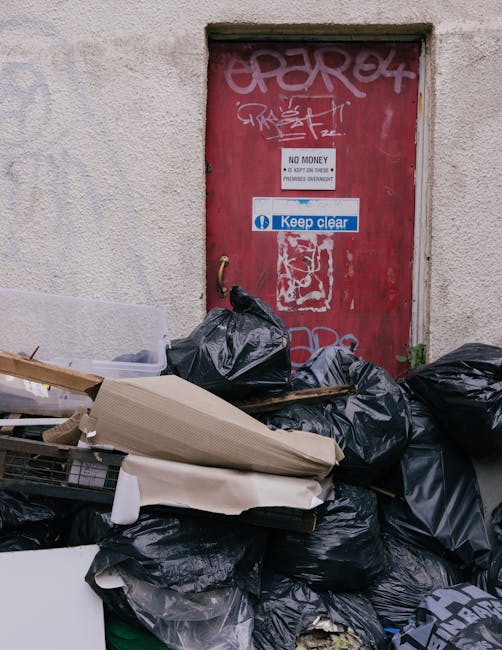
Belmont Village bulky rubbish drop off points and times
If you are trying to work out Belmont Village bulky rubbish drop off points and times, you are probably at the point where the clutter has stopped being a mild annoyance and started becoming a real job. A sofa that has sat by the wall too long. A broken wardrobe in the hallway. A fridge that you keep meaning to move "this weekend". Sound familiar?
This guide breaks the topic down in plain English. You will learn how drop off points usually work, what to check before you load the car, how to avoid wasted trips, and when a collection or full clearance service may be the smarter option. We will also cover safety, compliance, and a few practical shortcuts that save time. To be fair, bulky waste is one of those jobs that looks simple until you are dragging a heavy mattress downstairs at 8:15 on a damp morning.
Where useful, we also point to related help on our site, including waste removal options, furniture disposal, and what can go in a skip, so you can compare your choices before you commit.
Table of Contents
- Why Belmont Village bulky rubbish drop off points and times Matters
- How Belmont Village bulky rubbish drop off points and times Works
- Key Benefits and Practical Advantages
- Who This Is For and When It Makes Sense
- Step-by-Step Guidance
- Expert Tips for Better Results
- Common Mistakes to Avoid
- Tools, Resources and Recommendations
- Law, Compliance, Standards, or Best Practice
- Options, Methods, or Comparison Table
- Case Study or Real-World Example
- Practical Checklist
- Conclusion
- Frequently Asked Questions
Why Belmont Village bulky rubbish drop off points and times Matters
Bulky rubbish is not the same as everyday household waste. It is larger, awkward, and often too heavy or bulky for standard bins. That is why knowing the right drop off point and the correct opening times matters so much. One missed window can mean the whole load has to sit in your car, garage, or front garden until another day. Not ideal.
In practical terms, the right timing helps you:
- avoid turning up when a site is closed or full
- separate accepted items from restricted waste
- plan around traffic, parking, and loading time
- reduce the risk of unsafe lifting or rushed unloading
- keep your own day moving instead of losing half of it to a second trip
There is also a trust angle here. If you are disposing of household bulky items, appliance waste, or leftover clearance rubbish, you want to know the process is predictable. Nobody enjoys arriving with a trailer full of junk only to find the entry gate shut and a queue of equally annoyed people outside. It happens more often than you think.
And if your load includes mixed items, damaged furniture, or a few awkward bits from a loft or garage clear-out, it can be worth checking whether a dedicated clearance service is a better fit. For example, our garage clearance and loft clearance pages are useful if you are deciding whether to sort and drop off or have everything taken in one go.
Practical takeaway: bulky waste drop off works best when you treat it like a timed job, not a casual errand. Check access, opening hours, item rules, and loading order before you leave the house.
How Belmont Village bulky rubbish drop off points and times Works
At a high level, bulky rubbish drop off points are places where residents can take larger unwanted items for disposal, reuse sorting, or recycling. The exact rules depend on the site you use, but the process usually follows the same pattern: arrive during the accepted hours, show what you are bringing, sort items where required, and unload safely.
Times matter because many drop off points operate with limited windows for safety and traffic control. Some sites only take bulky items on certain days, while others accept them during broader opening hours but may restrict peak periods. That is why "times" is not just a small detail. It changes whether the trip works at all.
Here is the usual flow you can expect:
- Check what the site accepts. Bulky furniture may be accepted, but certain electricals, hazardous materials, or contaminated items may not be.
- Confirm the opening window. Some locations are strict about arrival times, booking slots, or last entry times.
- Load by access and weight. Put the heaviest items where they are easiest to remove first.
- Bring identification or proof if needed. Some sites ask to confirm residency or vehicle details.
- Unload quickly and safely. Keep hands clear, use gloves, and do not rush the lift.
That may sound straightforward, but the real-world wrinkle is item mix. A perfectly legal pile of old chairs and broken cabinets can become awkward if you also have a cracked mirror, a small appliance, and a bag of garden clippings. If the load strays into mixed waste territory, the site may reject part of it or direct you elsewhere. If you are dealing with mixed materials, our builders waste clearance and garden clearance pages explain how different waste streams are handled in a practical way.
One more thing: opening times are not always the same as unloading times. A site may technically be open, but still stop accepting new arrivals shortly before closing so vehicles can clear out safely. That tiny half-hour can matter a lot.
Key Benefits and Practical Advantages
Once you understand the drop off point and timing rules, the benefits are pretty clear. The first is control. You choose the day, you decide the pace, and you keep the process local. For many people, that feels better than waiting around for a collection slot.
Other advantages include:
- Speed for small-to-medium loads. If you only have a few bulky items, a drop off can be efficient.
- Better sorting control. You can separate recyclable items, reusable furniture, and general waste before you arrive.
- Potentially lower disruption. No need to make room for a team at the property if you are comfortable moving items yourself.
- Immediate progress. Once the items are unloaded, the job is done. That's a satisfying feeling, honestly.
- Useful for decluttering cycles. Spring clear-outs, pre-move sorting, and post-renovation tidying all fit the pattern.
There is also a sustainability angle. If items can be reused, repaired, or recycled, a thoughtful drop off routine helps keep good materials out of general waste. That matters more and more to people in day-to-day life, not just on paper. If you want to understand disposal choices with reuse and recycling in mind, have a look at our recycling and sustainability information.
For awkward household items, the choice is not always "drop off or nothing". Sometimes the most practical route is a specialist service. That is especially true for mattresses, sofas, and appliances that are cumbersome to move through stairwells or tight front doors. In those cases, our mattress and sofa disposal and fridge and appliance removal pages may save you a lot of trial and error.
Who This Is For and When It Makes Sense
This topic is relevant to a surprisingly wide group of people. If you are in a flat, a terrace, a converted house, or a family home with no easy place to stash waste, bulky rubbish can build up fast. A broken armchair does not care that the hallway is already narrow. It just sits there, becoming part of the furniture. Not in a good way.
Belmont Village bulky rubbish drop off points and times are especially useful for:
- tenants clearing out before a move
- landlords dealing with left-behind items
- homeowners after a room refresh or loft sort-out
- small businesses replacing office furniture
- people who want to remove waste in one load rather than several little trips
It can also make sense if you are the sort of person who prefers to be hands-on. You may already have sorted items into reuse, recycle, and dispose piles. In that case, the drop off route may suit you well. But if lifting, parking, or timing feels stressful, do not force it. There is no medal for wrestling a heavy wardrobe into the back of a hatchback on your own.
For business users and landlords, a reliable alternative may be more suitable. Our business waste removal and office clearance services are designed for larger, more structured clear-outs where time is money and the paperwork matters too.
Step-by-Step Guidance
If you want the drop off process to go smoothly, a bit of planning goes a long way. Here is a straightforward way to approach it.
- Sort the load in advance. Separate bulky furniture, appliances, green waste, and anything that may need special handling.
- Check item restrictions. Some sites will not accept hazardous waste, liquids, or certain electrical items. If you are unsure, treat that as a stop sign rather than a guess.
- Confirm opening times and cut-off points. "Open" does not always mean "accepting every arrival right up to the minute."
- Measure the biggest item. This matters more than people think. A wardrobe that fits the boot area on paper may still be a nightmare with the tailgate shut.
- Prepare your vehicle. Use blankets, straps, and gloves if needed. Protect the boot from splinters, sharp edges, and dust.
- Plan the route. Leave extra time for traffic, parking, and possible queues. A quiet 10am trip can become a jammed 10:40 arrival very quickly.
- Unload safely. Lift with help if needed. If something feels too heavy or too awkward, stop and rethink.
- Keep your receipt or confirmation. Useful for your own records, especially if the waste came from a rental property or workplace.
If the load is larger than expected once you start sorting, do not keep stacking the car in hope. That is usually the point where a collection becomes more efficient. You can also compare your options against our home clearance and flat clearance services if you are dealing with a full property rather than a few items.
Expert Tips for Better Results
Here is the part that saves time in the real world, not just on a checklist.
First, load in reverse order of unloading. Put the items you want off first nearest the back of the vehicle. It sounds obvious once you hear it, but people still load the heaviest sofa right at the front and then spend ten minutes shuffling around at the site.
Second, keep a "maybe" pile separate from the definite waste pile. Half the time, the maybe pile is what causes confusion. If you are not sure whether something should be dropped off, repaired, donated, or treated as special waste, set it aside until you have checked.
Third, avoid peak times if you can. Mid-morning on a weekday is often calmer than later slots, but you should always check what the site actually allows. Better to go when there is space to think. Rushed unloading is when people catch fingers, chip doors, or scratch cars.
Fourth, protect yourself from the messy stuff. Dusty loft items, damp garden waste, and old furniture can be a bit grim. A pair of gloves and a mask can make a surprising difference. No one wants to spend the evening sneezing over a battered sideboard.
Fifth, be honest about special items. Fridges, freezers, and some electricals may require separate handling. Hazardous materials need proper disposal. Our hazardous waste disposal page explains why those items should never be treated like normal rubbish.
And if you are clearing a garage or shed, you will usually find random extras you forgot existed. Old paint tins, broken tools, mystery cables, a wobbly chair leg. It happens. A lot.
Common Mistakes to Avoid
Most problems with bulky rubbish drop off are avoidable. The common mistakes are usually simple, which is annoying because they are also the easiest to make.
- Arriving without checking times. This is the big one. A ten-minute assumption can turn into a wasted journey.
- Mixing accepted and restricted items. One wrong item can slow down the whole process.
- Underestimating the weight. A waterlogged chair or a broken wardrobe panel can be heavier than expected.
- Blocking access to your own vehicle. If you stack items in the wrong order, you may not be able to unload safely.
- Leaving sorting until the last minute. That usually means stress, not savings.
- Forgetting special handling for fridges, appliances, or sharp materials. Some waste really does need different treatment.
There is also the classic mistake of trying to make a bulky load fit into a small car because "it should be fine". Famous last words. If the item is too large or too awkward, it may be better to use a dedicated clearance option such as furniture clearance or furniture disposal.
One more point: do not leave items on the kerb outside a site unless you are sure that is allowed. Even when a place is nearby, it does not mean the public space around it works the same way. Small detail. Big difference.
Tools, Resources and Recommendations
You do not need fancy equipment for most bulky rubbish jobs, but a few basic tools make the process smoother and safer.
- Gloves: useful for splinters, grime, and rough metal edges
- Blankets or sheets: protect your car interior and help secure items
- Ratchet straps or strong rope: keep bulky items from shifting in transit
- Tape measure: handy for checking whether larger items will fit safely
- Bin bags or boxes: ideal for loose fixings, screws, and smaller waste
- Marker pen: useful if you are labelling what is reusable, recyclable, or to be disposed of
For broader planning, it can help to compare the job against other service types rather than assuming drop off is the only route. If you are clearing one room, a house clearance may be more practical than multiple site visits. If you are clearing a workspace, office clearance may be cleaner and faster.
If you are price-sensitive, take a moment to review pricing and quotes. It is often easier to choose the right disposal method when you can see the trade-off between your own time, transport, and the effort involved.
Law, Compliance, Standards, or Best Practice
Even when you are dealing with household waste, there is still a duty of care to think sensibly about where rubbish goes and how it is handled. In everyday terms, that means using a legitimate drop off point, following site instructions, and not dumping restricted items where they do not belong.
For bulky rubbish, best practice usually means:
- separating reusable items where possible
- keeping hazardous materials apart from general waste
- not overloading a vehicle in a way that creates a road safety risk
- checking whether the site asks for proof of residency or booking confirmation
- following staff instructions rather than improvising at the gate
If you are dealing with commercial waste, the expectations are a bit different again. Business waste should be handled in a structured, traceable way, and many organisations prefer a collection service rather than a drop off trip. For that reason, our business waste removal service can be a more suitable fit for offices, landlords, and smaller trading premises.
It is also worth keeping safety and insurance in mind. Heavy lifting, awkward stairwells, sharp furniture panels, and appliance handling can all create avoidable risk. If you want a clearer sense of how we approach safe working and responsible disposal, the health and safety policy and insurance and safety pages are a sensible read.
Options, Methods, or Comparison Table
Not every bulky waste job should be handled the same way. Sometimes drop off is perfect. Sometimes it is the wrong tool for the job. Here is a simple comparison to help you choose.
| Option | Best for | Advantages | Watch-outs |
|---|---|---|---|
| Drop off point | Small to medium loads that you can transport yourself | Flexible, direct, often good for planned clear-outs | Travel time, loading effort, limited opening times |
| Collection service | Heavy, awkward, or full-house loads | No transport needed, less lifting, faster for big jobs | May need a booking and can be more expensive than self-drop |
| Specialist item disposal | Appliances, mattresses, sofas, hazardous or awkward items | Handled with the right process and equipment | Needs correct item type and sometimes separate scheduling |
| Skip-based disposal | Mixed renovation or ongoing project waste | Good for longer jobs and repeated fill-ups | Space, permit, and loading rules may apply |
For many households, the real decision is not about price alone. It is about hassle. A slightly cheaper option can become poor value if it eats a whole Saturday. On the other hand, a collection service may be unnecessary if you only have a chair, a small wardrobe, and a few bags of old bits. Balance is the key.
Case Study or Real-World Example
Here is a simple, realistic example. A resident in Belmont Village finishes a bedroom refresh and is left with an old bed base, a chipped bedside cabinet, a mattress, and a box of packaging. At first glance, it looks like a quick drop off job. But once they measure the mattress, realise the bed base is awkwardly rigid, and notice the cabinet has sharp broken edges, the plan needs adjusting.
They check the site times, confirm which items are accepted, and decide to split the load. The smaller recyclable packaging goes with household recycling later. The mattress and cabinet are handled through a more suitable disposal route, while the rest is removed through a booked clearance. The end result is less stress, one less wasted trip, and no messy pile sitting in the hallway overnight.
This is the point most people reach eventually: the right choice depends on the mix of items, not just the size of the pile. A single "bulky rubbish" label often hides a few different disposal problems underneath. Once you see that, the whole thing gets easier.
Practical Checklist
Before you leave for a drop off point, run through this checklist. It is short, but it catches most mistakes.
- Have I checked the opening times and any last-entry rules?
- Do I know exactly which items are accepted?
- Have I separated hazardous or restricted waste?
- Is the load safe to carry and secure in the vehicle?
- Do I have gloves, straps, blankets, or a helper if needed?
- Have I measured the biggest item?
- Do I know whether proof of address or booking confirmation is needed?
- Have I planned enough time for traffic and unloading?
- Would a collection or clearance service be easier for this load?
If you are still unsure at the end of that checklist, that is usually a useful sign. It means you are thinking properly, not rushing. And in this game, a little caution saves a lot of hassle.
Conclusion
Belmont Village bulky rubbish drop off points and times are easy enough to manage once you break the job into simple parts: check the rules, sort your items, plan the trip, and unload safely. The main wins are avoiding wasted journeys, keeping the job under control, and choosing the disposal route that genuinely fits the amount and type of waste you have.
For a few items, a drop off point may be the cleanest solution. For heavier, mixed, or awkward loads, a clearance service may save you time, energy, and a sore back. The right answer is not always the cheapest one on paper. Sometimes it is the one that lets you get on with your day without another hour of sorting and lifting.
If you want help deciding between disposal options, compare your items with our service pages and take the route that feels most practical for your home, business, or renovation project. Small, sensible choices usually win in the end.
Get a free quote today and see how much you can save.
Frequently Asked Questions
What are Belmont Village bulky rubbish drop off points and times?
They are the places and opening windows where larger unwanted items can be taken for disposal or recycling. The exact setup depends on the site, so checking what is accepted and when you can arrive is the first step.
Do I need to book a bulky rubbish drop off?
Sometimes yes, sometimes no. Some drop off locations work with open access, while others use booked slots or restricted times to manage traffic and safety. Always check before loading the car.
Can I take furniture to a drop off point?
Often yes, but not always in every form. Furniture may need to be separated by material type or checked for condition. If the item is very large or awkward, a furniture disposal service may be easier.
What if my load includes a fridge or other appliance?
Appliances are commonly handled differently from general bulky waste, especially if they contain gases or electrical components. A dedicated fridge and appliance removal option is often the safer choice.
Are there times when bulky waste sites are busiest?
Yes, and it usually shows. Late mornings, lunch periods, and weekends can be busier than quieter weekday slots. If you can choose your timing, go when you are least likely to queue.
Can I drop off mixed rubbish in one visit?
Sometimes you can, but mixed loads are where problems start. If items include restricted waste, sharp materials, or separate waste streams, you may need to split them or use a different service.
What should I do with hazardous waste?
Do not mix it with ordinary bulky rubbish. Hazardous items need proper handling and should follow the right disposal route. Our hazardous waste disposal page explains why that matters.
Is drop off better than collection?
It depends on the job. Drop off can be great for smaller loads if you have transport and time. Collection is usually better for heavy, bulky, or full-house clear-outs because it removes the lifting and travel.
How do I know if a service is cheaper than doing it myself?
Think beyond the headline price. Add fuel, time, parking, your effort, and the risk of making two trips. A quote can look higher but still be better value overall. Our pricing and quotes page can help you compare the practical side.
Can businesses use bulky rubbish drop off points?
Some may accept commercial waste under strict conditions, but many businesses are better served by a regular collection route. If you are clearing a workplace, consider business waste removal or an office clearance service.
What is the safest way to move bulky rubbish at home?
Use gloves, lift with help where needed, clear the path before moving items, and do not rush. If an item feels too heavy or too awkward, stop. Safety first, always. A chipped skirting board is annoying; a strained back is worse.
What if I need to clear an entire flat or house?
Then a one-by-one drop off approach may become a real slog. Full-property services such as flat clearance or house clearance are usually more efficient and less disruptive.
Where can I learn more about responsible disposal?
Start with the practical pages on this site, especially recycling and sustainability and waste removal. They are a good fit if you want to make a cleaner, simpler decision without overcomplicating it.