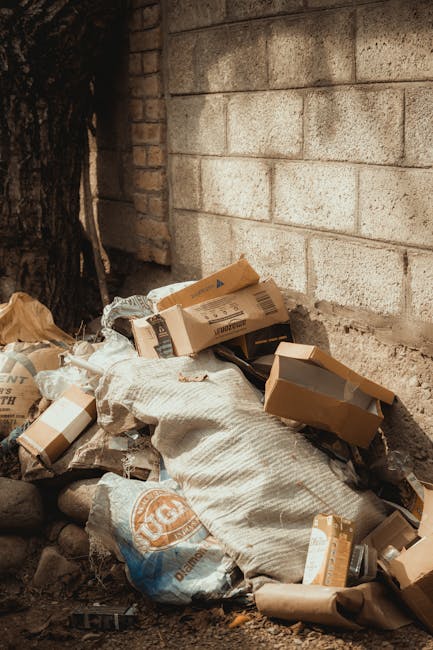
Avoid Hidden Rubbish Removal Charges in Belmont
If you have ever booked a clearance and then watched the final bill creep up, you will know the feeling. A quote that looked fine at first suddenly turns into a headache: extra labour, awkward access, heavy items, mattress fees, parking surprises. That is exactly why learning how to avoid hidden rubbish removal charges in Belmont matters. It is not just about saving money; it is about knowing what you are paying for before anyone lifts a single bag.
In Belmont, rubbish removal should be straightforward. But "straightforward" can disappear quickly if a company is vague about collection size, item types, access, or disposal rules. This guide breaks the process down in plain English, so you can spot the warning signs, ask better questions, and choose a service with confidence. You will also find a practical checklist, a comparison table, and a few small real-world examples that make the whole thing easier to navigate.
Table of Contents
- Why Hidden Charges Matter
- How Pricing Usually Works
- Key Benefits of Transparent Pricing
- Who This Is For
- Step-by-Step Guidance
- Expert Tips
- Common Mistakes to Avoid
- Tools and Resources
- Law, Compliance and Best Practice
- Options and Comparison
- Real-World Example
- Practical Checklist
- Conclusion
- Frequently Asked Questions
Why Hidden Charges Matter
Hidden charges are frustrating because they usually appear after you have already committed. A price may look competitive, but then the small print introduces additions for labour time, bulky items, loading from upstairs, difficult access, or certain waste types. By then, the job feels awkward to question. Let's face it, nobody wants a debate at the kerbside while a van sits outside and the clock is ticking.
For Belmont households, landlords, offices, and trades, rubbish removal often happens under pressure. You may be clearing a property between tenants, tidying after builders, or finally getting rid of the garage mountain you have been ignoring for months. In those moments, a low headline quote can be tempting. But if the company is not clear upfront, the final invoice can turn a tidy job into an expensive one.
There is also a trust issue. Transparent pricing usually reflects a company's overall approach. If pricing is clear, the booking process is usually clearer too. If pricing feels slippery, other things can be slippery as well, such as arrival times, communication, and what exactly is included. That is why a careful quote is not just about money; it is a signal.
Expert takeaway: the cheapest quote is rarely the best quote if it is vague. A fair rubbish removal price should explain what is included, what could change the cost, and how extras are handled before collection day.
How Hidden Charges Usually Work
Most rubbish removal services price jobs by volume, weight, item type, or a mix of all three. Some also factor in labour, access, and disposal complexity. That is normal. What causes trouble is not the pricing model itself, but the lack of clarity around it. If the company does not explain how their quote is built, you are left guessing.
A typical job might start with a photo quote or a brief description. That can work well if you are honest about what needs removing. The trouble begins when the customer says "just a few items" and the pile turns out to include broken wardrobes, a fridge, builders' rubble, and a mattress. At that point, a revised price may be justified. Still, it should be explained clearly, not sprung on you like a late-night takeaway delivery charge no one mentioned.
Common charge triggers include:
- more waste than originally described
- heavy or awkward items that need extra handling
- stairs, long carry distances, or restricted parking
- special waste streams such as appliances or hazardous materials
- separate fees for disposal, recycling, or waiting time
- minimum load charges, even for smaller jobs
If you are comparing services, it helps to understand the difference between a quote and an estimate. A quote should be the agreed price for a defined scope. An estimate is more flexible and can change if the job turns out differently. That distinction sounds small, but it matters a lot when you are trying to avoid hidden rubbish removal charges in Belmont.
Key Benefits and Practical Advantages
Transparent rubbish removal pricing saves more than money. It saves time, stress, and those awkward back-and-forth conversations where everyone is trying to work out who said what. In our experience, the most satisfied customers are the ones who know what is included before booking. Simple as that.
Here are the practical advantages:
- No surprise costs: you can budget properly and avoid unwelcome add-ons.
- Faster decisions: clear pricing makes it easier to choose between providers.
- Smoother collections: both sides understand the scope, so the job runs more cleanly.
- Better value: a well-priced service often beats a cheap but unclear one.
- Less stress: you are not left wondering what the final number will be.
There is a practical side too. Transparent pricing helps you compare services like-for-like. If one company includes labour, loading, and disposal in a single fee while another advertises a lower price but adds charges for each stage, the apparently cheaper option may be more expensive in the end. That is the kind of thing people only notice after the van has gone.
If you are booking a broader clearance, it can also help to look at the relevant service page before you decide. For example, a house clearance, flat clearance, or office clearance may have different cost drivers depending on access, item mix, and disposal requirements.
Who This Is For and When It Makes Sense
This topic matters to almost anyone arranging waste removal in Belmont, but it is especially useful if your job is not a simple bin-bag collection. If the waste is bulky, mixed, time-sensitive, or awkward to access, the chance of a pricing surprise goes up.
You may need this guidance if you are:
- clearing a house before sale or letting
- emptying a garage, loft, or shed that has become a storage battlefield
- getting rid of old furniture, mattresses, or appliances
- dealing with builders' waste after a renovation
- removing office contents, archive boxes, or obsolete equipment
- sorting a garden full of cuttings, broken planters, and soil sacks
It also makes sense if you are comparing rubbish removal with alternatives like a skip. Different situations suit different methods. A skip can be a good fit for some projects, while a man-and-van clearance service works better for jobs that need lifting and loading help. If you are weighing that up, the page on what can go in a skip is a useful place to start, and it may save you from booking the wrong option altogether.
For business owners, the issue is even sharper. A small office or retail space may need predictable pricing and quick turnaround, especially if staff are waiting to get back to work. In that situation, hidden costs can disrupt the whole plan, not just the budget.
Step-by-Step Guidance
Here is a simple way to approach rubbish removal so you can keep control of the final price.
- List everything that needs removing. Be specific. "A few items" is not enough. Say exactly what is there, including appliances, furniture, rubble, or mixed waste.
- Take clear photos. Wide shots and close-ups both help. A bit of daylight makes life easier. Dark hallway photos at 7pm? Not ideal, honestly.
- Explain access. Mention stairs, narrow hallways, parking restrictions, loading distance, or whether the collection is from inside, outside, or a rear garden.
- Ask what the quote includes. Labour, loading, disposal, recycling, congestion, parking, VAT if applicable, and any minimum charge should be clear.
- Check for excluded items. Some waste types need separate handling. Fridges, mattresses, sofas, and hazardous items can be treated differently.
- Confirm whether the price is fixed. If it is only an estimate, ask what would trigger a change and by how much.
- Get the final terms in writing. A simple email or booking confirmation is enough, as long as it sets out the agreed scope and price basis.
- Walk through the waste on arrival. A quick two-minute review helps avoid confusion before loading begins.
This process takes a little time, but it usually pays off. A clear quote is the best defence against awkward surprises later. And, to be fair, it also makes the whole booking feel more professional from the start.
Expert Tips for Better Results
Here are a few practical habits that make a real difference when you want to avoid hidden rubbish removal charges in Belmont.
- Describe the worst-case version of the job. If a pile might include some heavy items or awkward access, mention it. Being upfront is almost always cheaper than being "surprised" on collection day.
- Ask about load size in plain language. If a provider quotes by volume, ask what that looks like in real terms. Half a van, a full van, a few cubic yards - use language you understand.
- Separate special items early. Appliances, mattresses, and certain bulky furniture can affect pricing. Keeping them visible helps the quote stay accurate.
- Check whether recycling is included. Responsible disposal should not be an extra mystery line item. If recycling is part of the service, it should be explained naturally.
- Look at the company's wider service information. A provider that explains its pricing and quotes clearly is usually easier to deal with overall.
One small but useful trick: when in doubt, ask the provider to restate the price back to you in writing. You would be surprised how often a "yes, that is fine" on the phone becomes fuzzy later. Written clarity is boring, but boring is good here.
If your job involves furniture or bulky household items, check whether you need a specialist clearance route such as furniture disposal or mattress and sofa disposal. Different item types can change handling and disposal costs, and knowing that early keeps the quote honest.
Common Mistakes to Avoid
A lot of overpaying comes down to simple mistakes, not dramatic scams. The good news? They are easy to avoid once you know what to watch for.
- Only asking for the cheapest price. Cheap and unclear is a bad pairing. Usually, anyway.
- Forgetting to mention access issues. A ground-floor load from the driveway is not the same as a third-floor clear-out with no lift.
- Not separating special waste. A fridge or paint tins hidden in a general pile can change the cost and the handling rules.
- Assuming all quotes are fixed. Some are estimates. Some are not. Ask.
- Ignoring collection scope. Does the price cover only loading from outside, or does it include moving items from inside the property too?
- Booking before measuring the job properly. A quick look around the room often saves a lot later.
Another common slip is not checking whether the provider handles specific service types properly. A company that does domestic clearances well may also offer builders waste clearance, but the scope and pricing can be very different. Likewise, an office job may need different planning from a household clearance.
And yes, there is such a thing as being a little too relaxed about "we'll sort it out on the day." That phrase can be harmless, but it can also mean "the final price is still a moving target." Not ideal.
Tools, Resources and Recommendations
You do not need fancy tools to keep rubbish removal costs under control. A phone camera, a short written inventory, and a few direct questions will do most of the work. Still, there are a few resources on the website that can help you plan better.
- Waste removal for broader service information and general collection support.
- Home clearance if you are dealing with mixed household waste rather than a small one-off load.
- Garage clearance if the job is mostly stored items, broken kit, or long-forgotten clutter.
- Loft clearance for awkward-access jobs where labour time may affect the price.
- Garden clearance if your waste is green, muddy, or mixed with outdoor debris.
- Business waste removal for commercial jobs that need efficient scheduling and clear invoicing.
- Recycling and sustainability if you want to understand how materials are handled after collection.
For trust and security, it is also sensible to check pages covering payment and security and insurance and safety. These are not glamorous topics, I know. But they matter when someone is working inside your property or taking away items on your behalf.
If you handle paperwork, confidential files, or old business records, the confidential shredding page may also be useful. It is a good example of how a job can seem simple until privacy and disposal duties become part of it.
Law, Compliance and Best Practice
This is the part many people skip, and then regret it later. Rubbish removal is not just a practical service; it sits inside a wider framework of waste handling, safe transport, and responsible disposal. You do not need to become a legal expert, but you should expect a service provider to follow sensible UK waste practices.
Best practice usually includes:
- clear explanation of what can and cannot be collected
- safe loading and handling methods
- appropriate treatment of specialist items such as fridges or hazardous waste
- responsible disposal or recycling where possible
- transparent pricing and written terms
If a job involves potentially sensitive or regulated material, such as certain appliances or hazardous substances, the provider should be able to explain how that waste is handled. The pages on fridge and appliance removal and hazardous waste disposal are helpful reminders that not all items belong in a standard mixed load.
There is also a simple customer-protection principle here: a good company should tell you what it is charging for. If pricing changes, it should be tied to a clear reason, not vague pressure. If something feels off, trust that instinct. It usually shows up for a reason.
For peace of mind, it is worth reviewing the site's own policies as well, such as the terms and conditions, complaints procedure, and about us page. Those pages can tell you a lot about how a business works before you book.
Options and Comparison
Different waste removal options suit different jobs. A quick comparison can stop you paying for the wrong thing.
| Option | Best for | Possible hidden cost risk | What to check first |
|---|---|---|---|
| Man-and-van rubbish removal | Mixed household rubbish, bulky items, flexible collections | Extra labour, access fees, item exclusions | What the quote includes, and how it changes if the load is larger |
| Skip hire | Projects with steady waste generation and space for a skip | Permit issues, overfilling, restricted materials | What can go in a skip, placement, and whether you need a permit |
| Specialist item removal | Appliances, mattresses, sofas, or bulky single items | Separate collection and disposal charges | Item-specific handling and any recycling or disposal requirements |
| Full property clearance | Homes, flats, offices, garages, lofts, and estates | Scope creep if the inventory is incomplete | Room list, access details, and whether labour is included |
To be fair, no option is perfect for every situation. The right one is the one that matches the job honestly. If you are stripping out a room full of mixed junk, a man-and-van style clearance may suit you better than a skip. If you are doing ongoing works, a skip may be more practical. That judgement call matters more than people think.
Case Study or Real-World Example
Picture a typical Belmont clear-out on a damp Tuesday morning. The customer has a hallway full of old shelving, two broken office chairs, a mattress, and several black bags from the loft. At first glance, it looks like a small job. A quick phone quote is given, but the customer also mentions there may be a fridge in the utility room and a couple of bits of builder's rubble by the back door.
That extra detail changes everything. The fridge needs separate handling, the rubble adds weight, and the back access means a longer carry than expected. Because the scope was described properly, the revised quote is fair, and nobody feels ambushed when the team arrives.
Now compare that with the rushed version. The customer only says "a few things from the house." The team arrives and finds a full garage clearance, a loft load, and a sofa that needs two people to move. The price may still be reasonable, but the conversation is now tense. Nobody enjoys that. Nobody.
The lesson is simple: the more specific you are, the more accurate the quote becomes. That alone can prevent hidden rubbish removal charges in Belmont better than any clever deal-hunting.
Practical Checklist
Use this before you confirm any booking.
- Have I listed every item that needs removing?
- Have I mentioned stairs, narrow hallways, distance from the van, or parking issues?
- Do I know whether the price is a quote or an estimate?
- Have I asked what is included in the price?
- Have I checked for extra charges linked to heavy, bulky, or specialist items?
- Do I know whether recycling and disposal are included?
- Have I confirmed the booking in writing?
- Have I checked the terms and conditions and complaints procedure?
- Does the provider seem clear, calm, and easy to deal with?
- Would I still be happy with the price if the job turned out to be slightly bigger than expected?
If you can tick most of those off, you are in good shape. If not, pause and ask another question or two. A short pause now is far better than a surprise invoice later.
Get a free quote today and see how much you can save.
Conclusion
Hidden rubbish removal charges are usually not about trickery alone; more often they come from vague descriptions, poor communication, and unclear pricing. The fix is refreshingly ordinary: be specific, ask direct questions, confirm the scope, and choose a provider that explains the numbers plainly.
In Belmont, that kind of clarity is worth a lot. It keeps your budget steady, your collection day calmer, and your decision much easier to live with. Whether you are clearing a flat, a garage, an office, or just a stubborn pile that has been staring at you for months, the same rule applies: clarity first, surprises never.
And if the job feels a bit bigger than you wanted to handle today, that is okay. One good decision is enough to get things moving.
Frequently Asked Questions
What causes hidden rubbish removal charges in Belmont?
They usually come from unclear quotes, incomplete job descriptions, access problems, heavy items, or special waste that was not mentioned at the start. A good provider should explain any change before proceeding.
Is a rubbish removal quote supposed to be fixed?
It can be fixed if the job scope is clearly agreed. If it is only an estimate, the price may change when the actual load or access conditions differ from what was described.
How can I tell if a rubbish removal company is being transparent?
Look for clear pricing, written terms, simple explanations of what is included, and no pressure to agree immediately. If the answers stay vague, that is usually a warning sign.
Do bulky items cost more to remove?
Often, yes. Bulky items may need extra lifting, more vehicle space, or different disposal handling. Sofas, wardrobes, mattresses, and appliances can all affect the final price.
Should I send photos before booking rubbish removal?
Yes, if possible. Photos help the provider estimate the load more accurately and reduce the chance of a pricing change on collection day.
What details should I always mention when asking for a quote?
List the items, the approximate quantity, where they are located, how easy they are to access, and whether anything is heavy, fragile, or specialist. That level of detail really helps.
Are fridges, mattresses, and sofas treated differently?
They often are. These items may need separate handling or disposal routes, so it is best to mention them early rather than assume they can go in a general mixed load.
Is rubbish removal better than skip hire for avoiding hidden costs?
It depends on the job. Skip hire can be cost-effective for larger steady loads, while rubbish removal can be better for lifting, loading, and awkward access. Compare the total cost and practical convenience, not just the headline price.
What should I check in the terms and conditions?
Look for pricing rules, cancellation terms, excluded items, access assumptions, and what happens if the job is bigger than expected. It is a boring read, but a useful one.
Can I avoid extra charges by preparing the waste in advance?
Yes. Grouping items together, separating special waste, and making access easy can reduce labour time and help the quote stay accurate. It also makes collection day much smoother.
What if the quote changes on the day?
Ask why, and make sure the explanation matches the conditions you discussed earlier. If the change is not clearly justified, you are entitled to pause and reconsider before agreeing.
How do I choose between a full clearance and a small rubbish collection?
If you are emptying rooms, lofts, garages, or whole properties, a full clearance service is usually more suitable. If it is just a few items or one-off waste, a smaller collection may be enough.
Where can I learn more before I book?
It helps to review the provider's pricing, service, and policy pages, including pricing and quotes, payment and security, and complaints procedure. Those pages can tell you a lot about how the business works.